Under assumption, we, human grow through influences of what surrounds us, it is important to consider about how they have been viewing 'us' when we were children. The way children were viewed in different time, sometimes or more frequently restricted, guided, opened or closed the pathways they grow, lived and experience and mature out. (the following factors written below purely rises from author's assumption from different readings,
hearings and thoughts)
 |
| children in 1800s |
Long years back in 1800s for example, children were considered 'sinful', and 'filthy'. Families and society thought it was their role to cleanse their soul and ensures they are brought up with 'manner' and 'moral' attitude. In this way, children had strict expectations on the way they behaved. While that was going on, children were exposed to unassisted casualties of war, diseases and crimes. Thinking about the limited technology in medicine, media and investigations children back then would have been in more harsh physical condition than now.
 |
| children in 1900s |
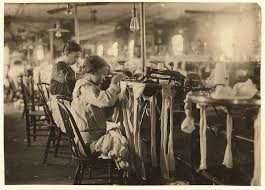
Moving on along in 1900s industrialization began. This meant the more mothers were to move to workforce and children were left in the house by themselves or sent to 'nanny' (not necessarily pre-school like system in nowadays). Yet, theme that children should be in 'good behaviour' like little adults still remained here. This meant that children were to be part of the responsible for housework such as cooking, cleaning, looking after youngsters and teaching them manners, and sometimes also making money out in the workforce (which still is remained in the developing countries back in 21st centuries). Look at movies like Sound of Music and see how these children are treated and think about the expectations of them back them.
 |
| These days there are excessive pressure on study with children |
With the millennium along with development in research of education, pedagogy, child psychology, and sociology, the image of children became less solid. There are people who see them just very capable, while some may still see them 'naughty' or 'teach-able subjects'. However coming into 2010s, one common factor seems to be valid in general public. Globally speaking, there had been an increase on academic value of childhood, for example in Australia, now parents are raising their children to write and mathematically operate before primary school, get ready for NAPLAN, then Selective high school test, and then? HSC? These demands had been accelerating the time children spend with tuition or 'studying' time. While Australia still, luckily, is not that 'fussy' with studying (not as much as America or Asian culture these days), as well as technological development childhood that people in 20s or 30s enjoyed, appear to be disappearing.
May be children who grow up now, will think that they don't know where the childhood is heading when they reach 20s or 30s but I personally prefer the way I was able to enjoy both natural and physical plays with hands-on experiences as well as early development of technology (although this was much limited).


